Egypt has been one of the world’s leading suppliers of herbs and botanical products for centuries. With its unique climate, fertile Nile Delta soil, and long agricultural tradition, Egypt produces some of the highest-quality herbs available on the global market.
For international buyers — whether you are an importer, herbal tea manufacturer, or wholesale distributor — understanding which Egyptian herbs offer the best quality, consistency, and export availability is essential to making informed sourcing decisions. This guide covers the most in-demand Egyptian herbs for export and what makes each one stand out.
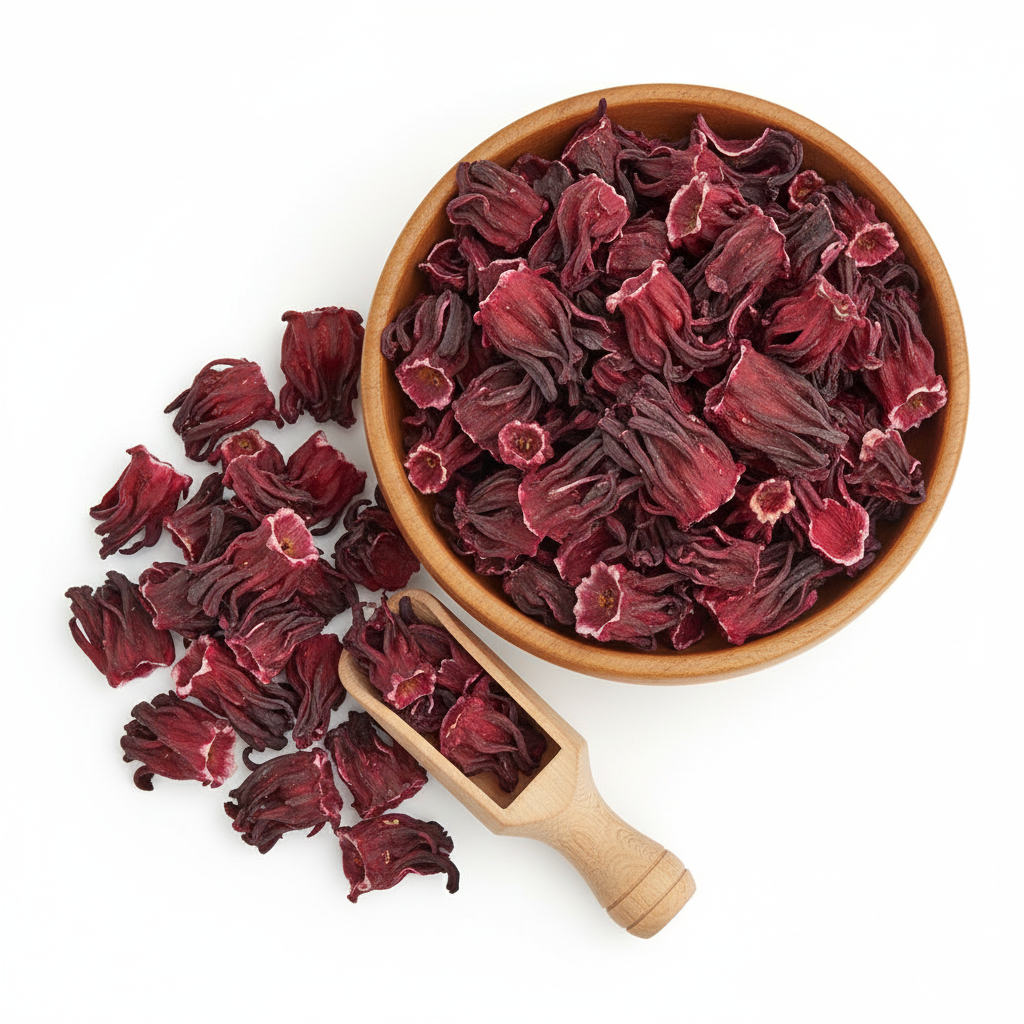
1. Hibiscus (Roselle)
Hibiscus sabdariffa
Egyptian hibiscus — locally known as karkadeh — is arguably the country’s most famous export herb. The deep red dried calyces are prized globally for their bold color, tart flavor, and high concentration of antioxidants.
Primary uses: Herbal teas, fruit juice blends, food coloring, nutraceuticals
Key markets: Europe, Russia, North America, GCC
Why Egyptian hibiscus? Egypt’s dry climate and long growing season produce calyces with a deeper red color and stronger acidity — qualities that herbal tea manufacturers specifically seek.
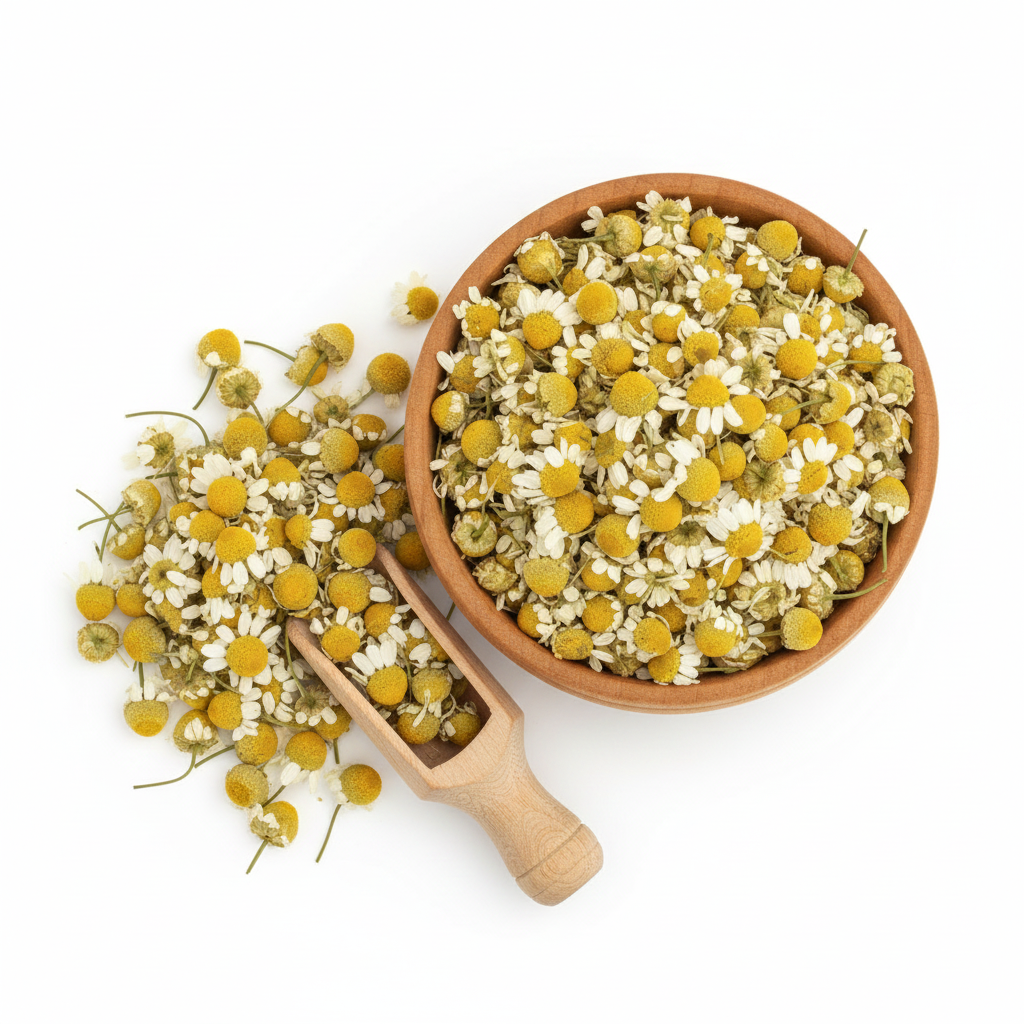
2. Chamomile
Matricaria chamomilla
Egypt is one of the world’s top producers of chamomile, particularly the German variety. Egyptian chamomile is known for its high essential oil content and consistent flower size — both critical quality indicators for export buyers.
Primary uses: Herbal teas, cosmetics, pharmaceuticals, aromatherapy
Key markets: Germany, Russia, Eastern Europe, GCC
Why Egyptian chamomile? The warm Egyptian climate allows for a longer growing season and higher essential oil yield than European-grown chamomile, often at more competitive pricing.
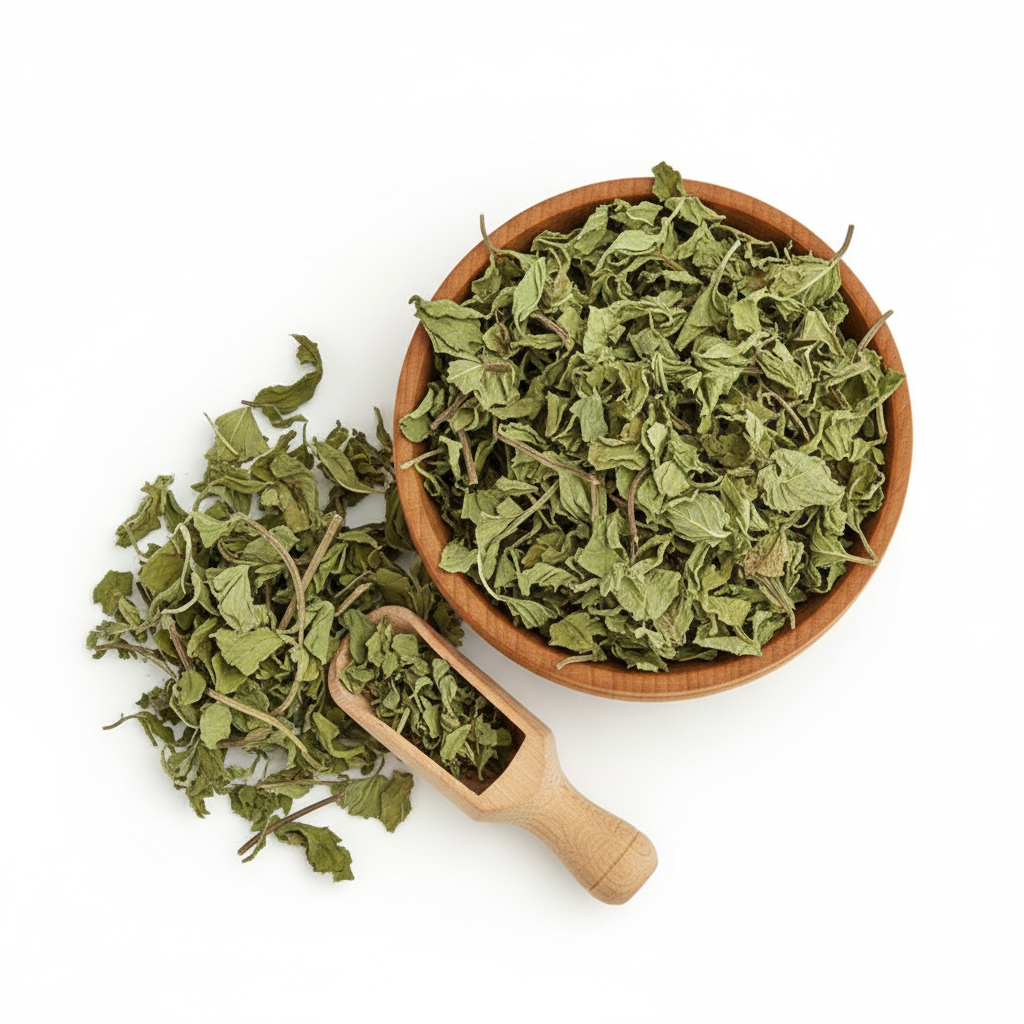
3. Peppermint
Mentha × piperita
Egyptian peppermint is widely exported in dried leaf form and is a staple ingredient for herbal tea blends, confectionery, and pharmaceutical applications worldwide.
Primary uses: Herbal teas, digestive products, food flavoring, oral care
Key markets: Russia, Saudi Arabia, Europe, USA
Why Egyptian peppermint? Egypt’s fertile Delta soil produces peppermint with a high menthol content and strong lasting aroma — making it a preferred choice for food and beverage manufacturers.
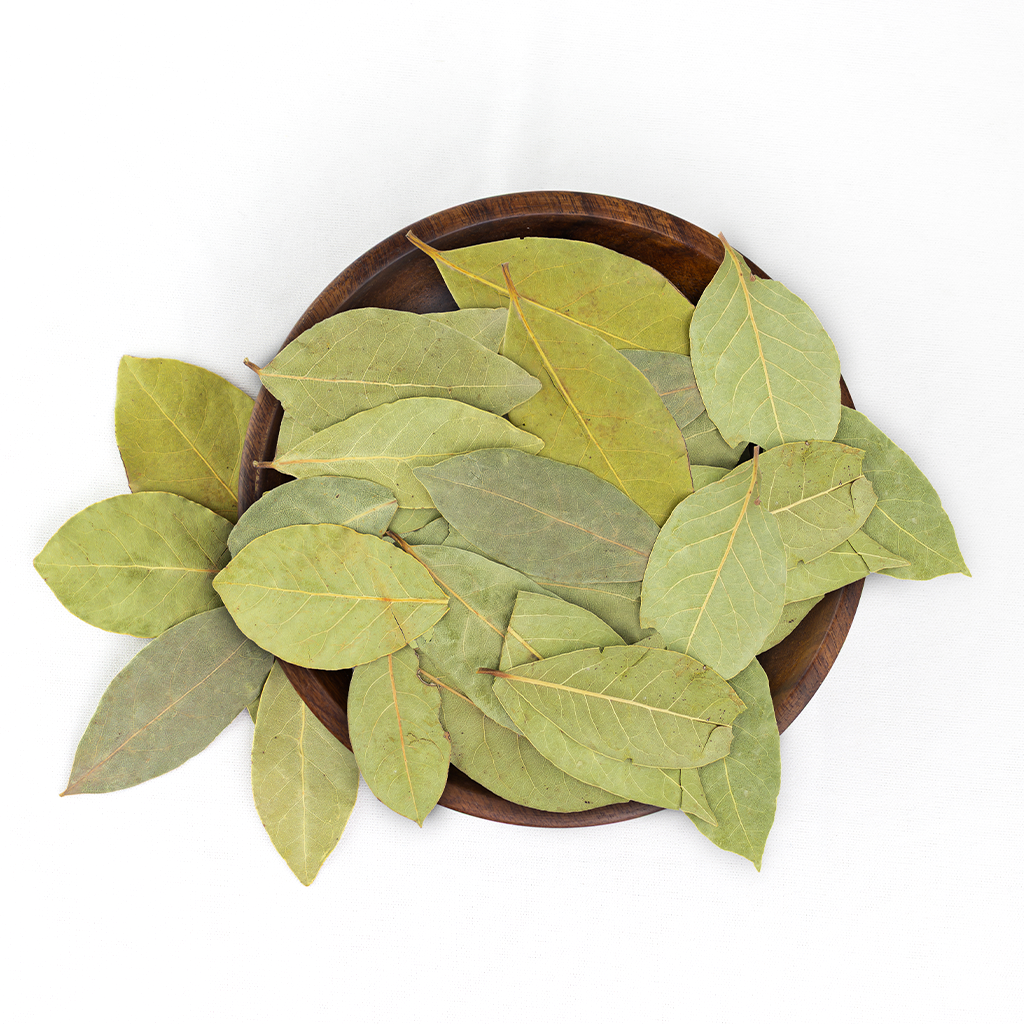
4. Laurel Leaves (Bay Leaves)
Laurus nobilis
Dried bay leaves are a foundational culinary herb in European, Mediterranean, and Middle Eastern cooking. Egypt exports both whole and broken laurel leaves to food manufacturers and wholesale distributors worldwide.
Primary uses: Culinary seasoning, spice blends, ready meal production
Key markets: Russia, Eastern Europe, GCC, North Africa
Why Egyptian laurel? Consistent leaf size, clean processing, and competitive bulk pricing make Egyptian laurel leaves a reliable choice for large-volume buyers.
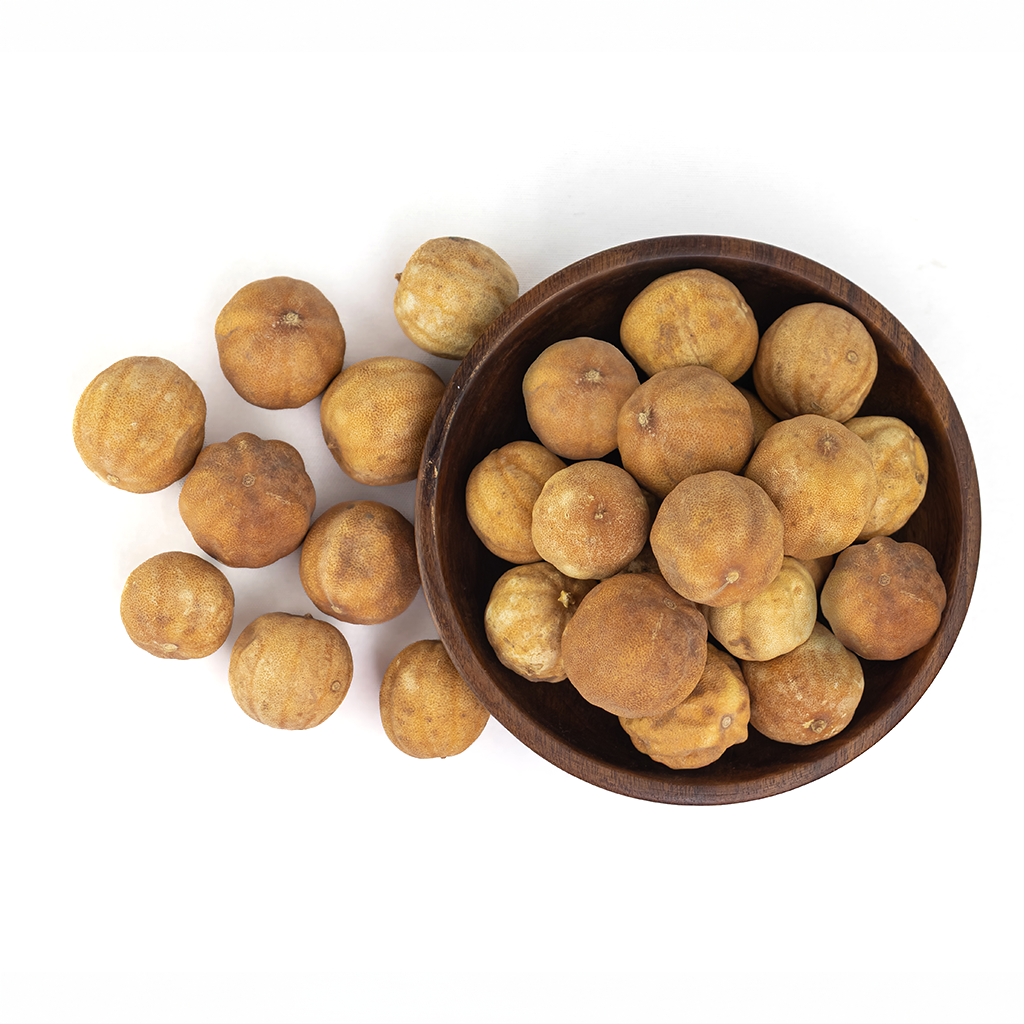
5. Sun-Dried Lemon
Citrus limon — Sun Dried
Sun-dried lemon is a growing category in the global herbs and botanicals market. Naturally dried under the Egyptian sun, these lemons retain their full citrus aroma and are used in premium herbal tea blends, spice mixes, and culinary applications.
Primary uses: Herbal teas, spice blends, culinary seasoning, wellness products
Key markets: GCC, Europe, Russia
Why sun-dried? The natural drying process preserves essential oils and flavor compounds more effectively — a quality that premium tea brands specifically request.
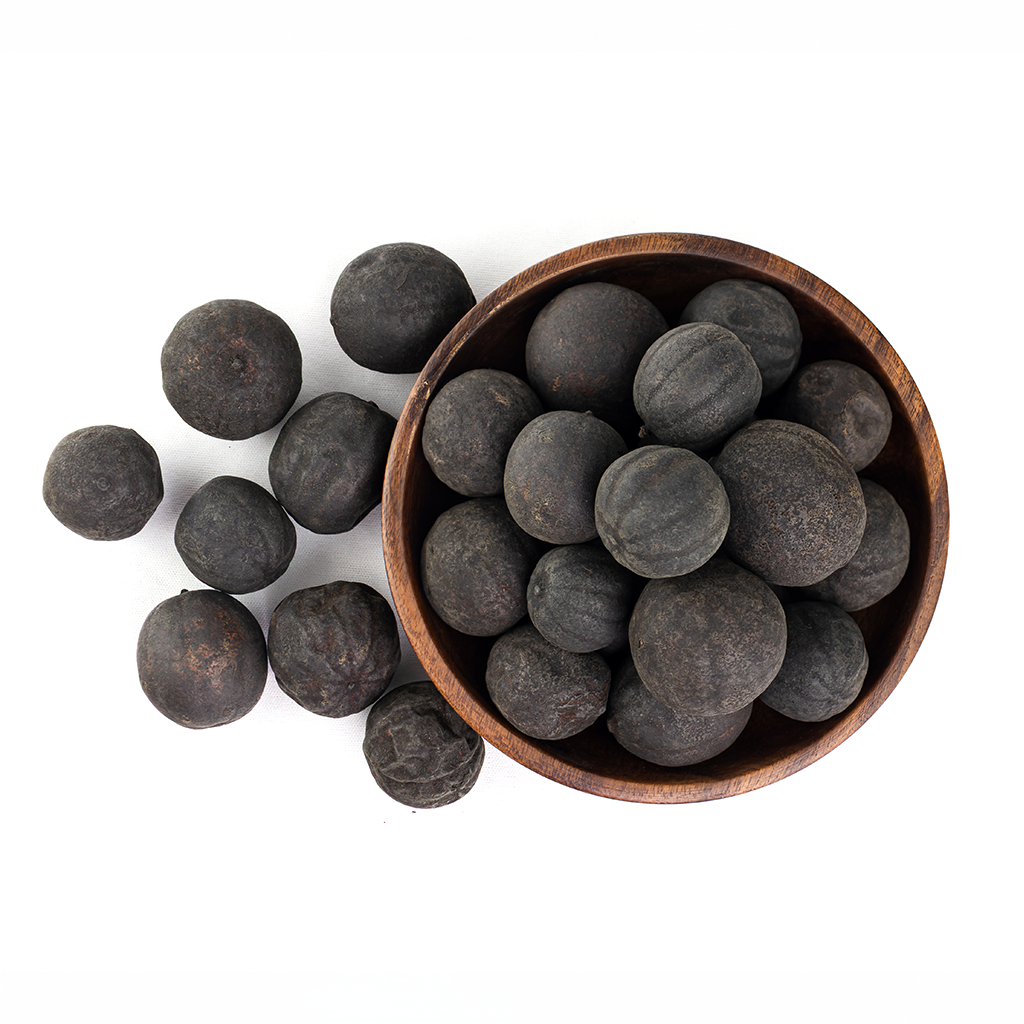
6. Oven-Dried Lemon
Citrus limon — Oven Dried
For buyers who require standardised moisture levels and consistent color across large volumes, oven-dried lemon offers a reliable alternative. The controlled drying process ensures uniform quality batch after batch.
Primary uses: Food manufacturing, ready meal seasoning, spice blend production
Key markets: Food manufacturers across Europe and GCC
Why oven-dried? Food manufacturers working with strict production standards require herbs with controlled moisture content — something only precision drying can deliver.
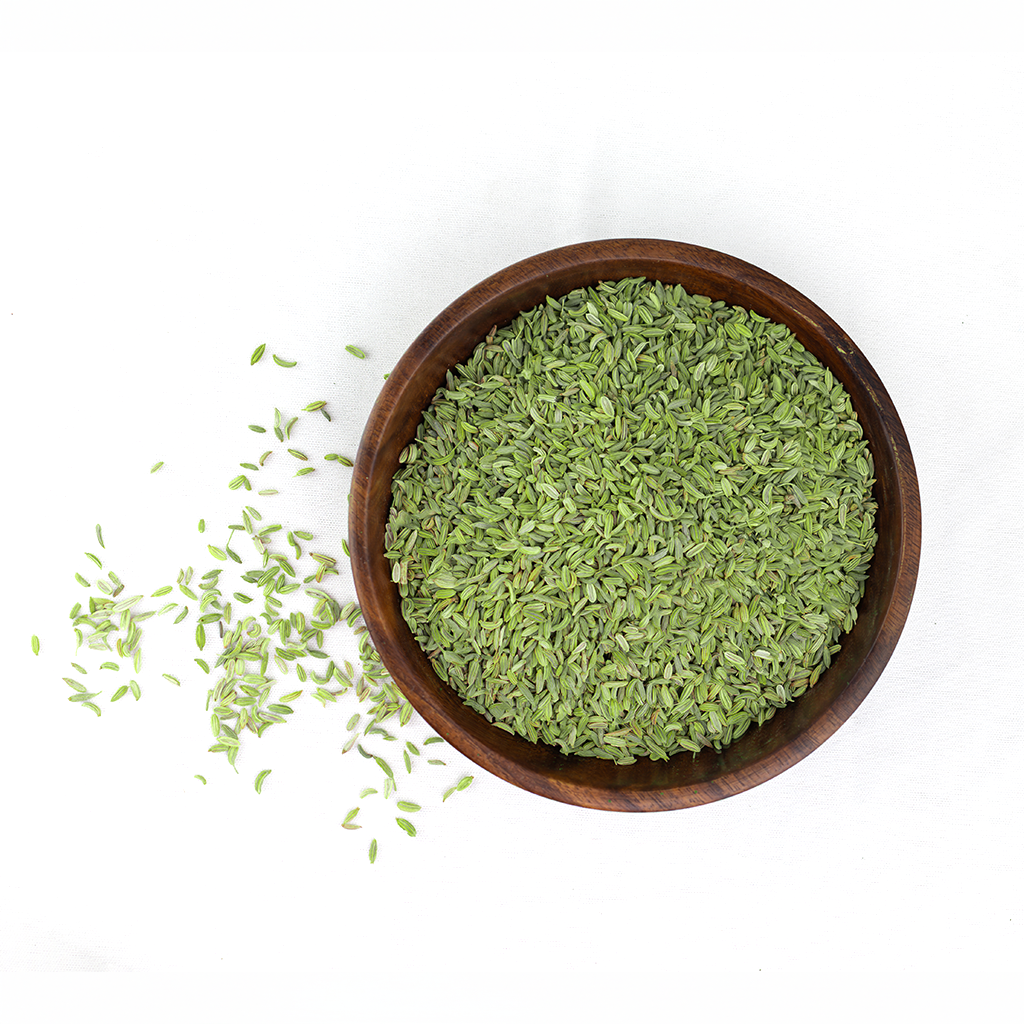
7. Fennel Seeds
Foeniculum vulgare
Egyptian fennel seeds are widely used in herbal medicine, digestive teas, and food flavoring. Their distinct anise-like aroma and clean taste make them a popular ingredient in both pharmaceutical and culinary applications.
Primary uses: Digestive teas, herbal supplements, spice blends, food flavoring
Key markets: Europe, GCC, Russia
Why Egyptian fennel? Egypt’s dry climate is ideal for fennel cultivation, producing seeds with strong aroma and high essential oil content.
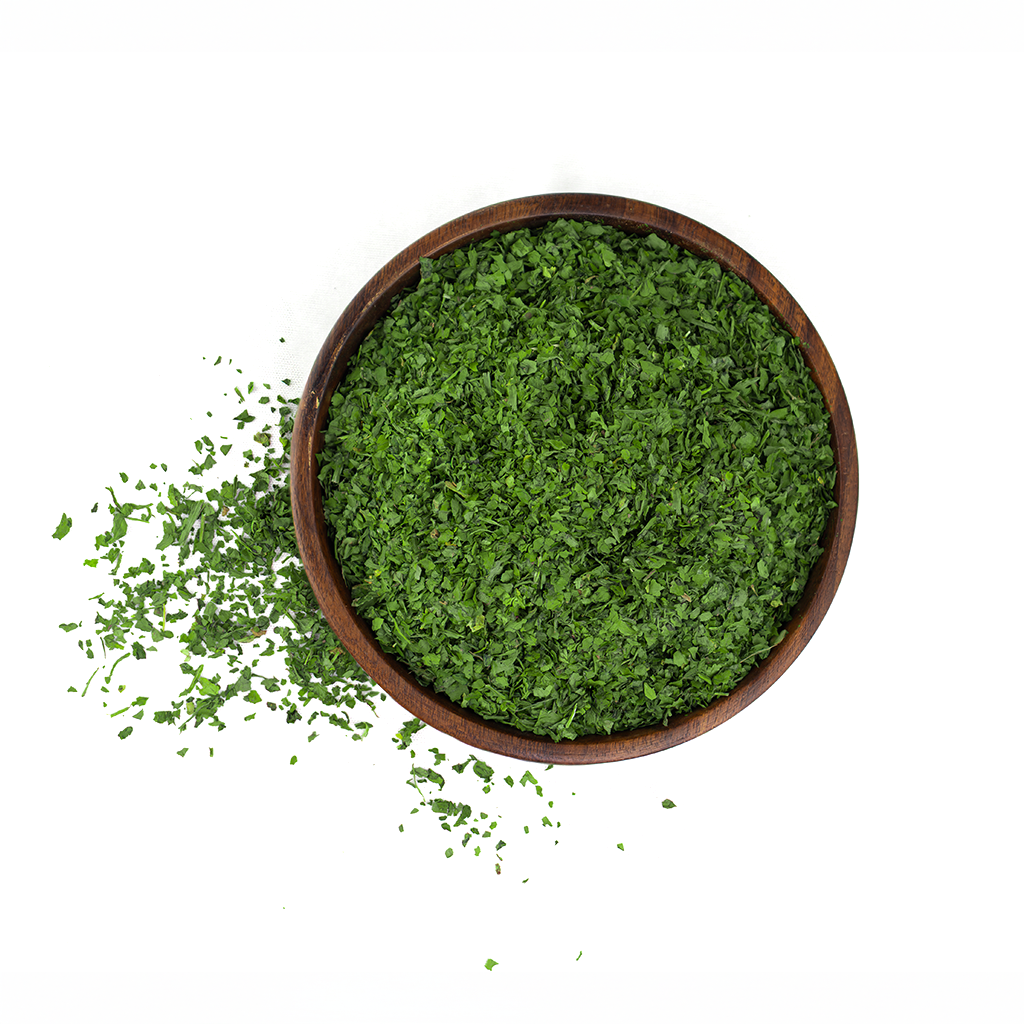
8. Dried Parsley
Petroselinum crispum
Carefully dried and cleaned parsley flakes, retaining natural color and aroma — ideal for food seasoning, ready meal production, and wholesale distribution worldwide.
Primary uses: Food seasoning, ready meal production, spice blends, wholesale distribution
Key markets: Europe, Russia, GCC
Why Egyptian parsley? One of the most widely used culinary herbs globally — Egyptian parsley offers consistent color retention and strong aroma at competitive bulk pricing.
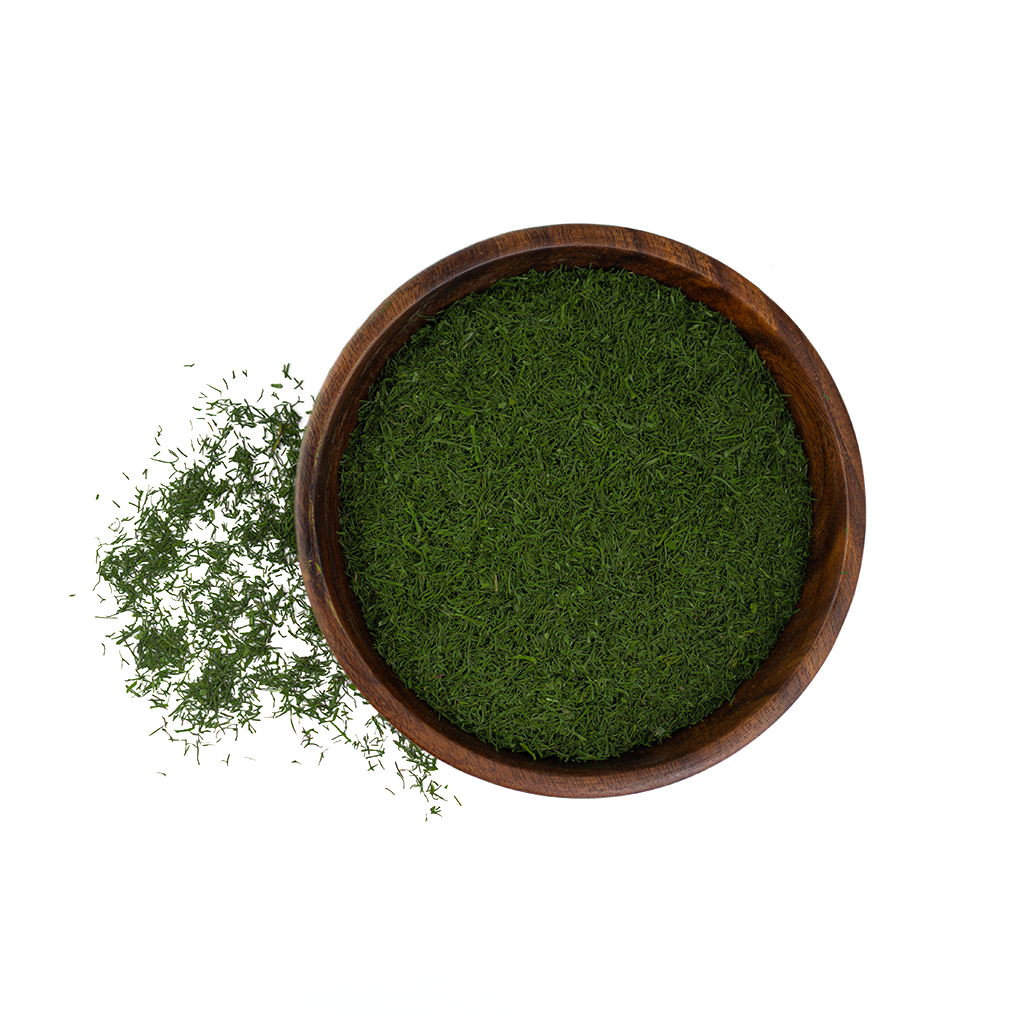
9. Dried Dill
Anethum graveolens
Premium sun-dried dill herb with a fresh, aromatic profile — a staple ingredient for seasoning, pickling, and culinary applications across European and Middle Eastern markets.
Primary uses: Seasoning, pickling, culinary blends, food manufacturing
Key markets: Russia, Eastern Europe, GCC
Why Egyptian dill? Particularly popular in Russian and Eastern European markets — Egyptian dried dill offers strong aromatic quality essential for traditional pickling and seasoning applications.
What to Look for When Sourcing Egyptian Herbs
Whether you are placing your first order or evaluating a new supplier, here are the key quality indicators to check:
Should be within internationally accepted limits. Excess moisture leads to mould and shortened shelf life.
Professional exporters clean and grade herbs before packing. Ask for cleaning and grading specifications.
Fresh, vibrant colour and strong natural aroma are signs of proper harvesting and drying. Dull colour often indicates old stock or improper storage.
A reliable exporter should provide a Phytosanitary Certificate, Certificate of Origin, and any certificates required by your destination market.
Bulk sacks, vacuum packing, or private-label options should be available depending on your requirements.
Ready to Source Egyptian Herbs?
If you are looking for a reliable Egyptian herbs exporter, we would be glad to discuss your requirements and send you a full product list with current pricing.